
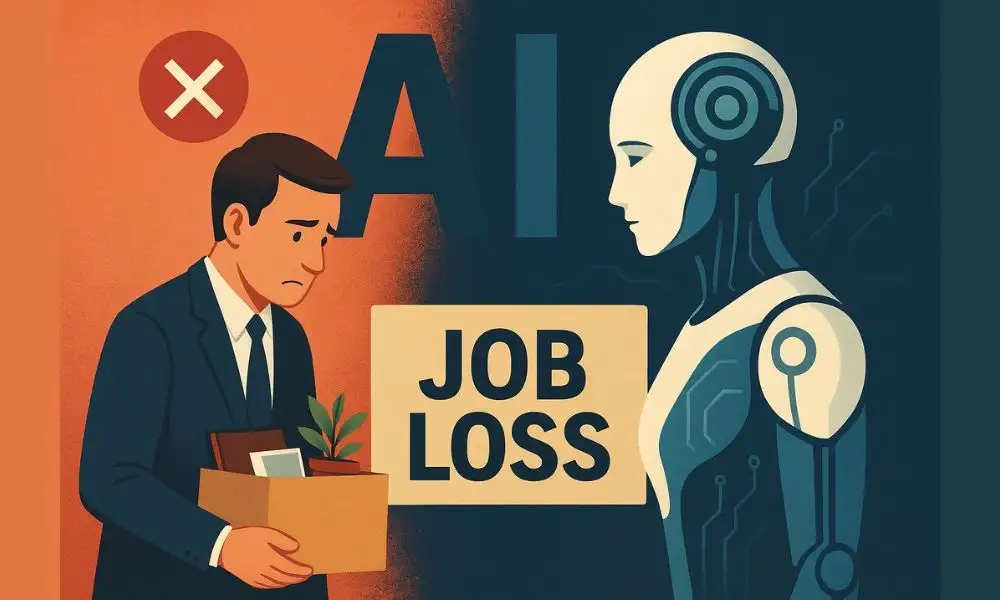
Meta’s AI Layoffs Signal Tough Times Ahead for U.S. Job Market and Economy
Quick Summary: Meta cuts 600 jobs in its AI Superintelligence Labs, revealing the growing clash between innovation and employment — a signal that AI’s economic impact is hitting closer to home for Americans.
AI Innovation or Job Elimination? Meta’s Latest Layoffs Expose a Harsh Reality
The AI boom was supposed to make our lives easier — remember that optimism back in 2023? Well, fast forward to 2025, and Meta just trimmed 600 jobs from its AI Superintelligence Labs. The irony? The company is still splurging millions hiring top AI talent for its elite TBD Lab.
CEO Mark Zuckerberg and chief AI officer Alexandr Wang insist it’s all about “speed and efficiency.” In Wang’s words, “fewer conversations mean faster decisions.” Sounds reasonable — unless you’re one of those suddenly updating your LinkedIn status.
It’s a clear reflection of where the U.S. job market is heading: AI is both the hero and the villain. On one hand, it’s driving innovation — powering smarter ads, data systems, and even healthcare. On the other, it’s quietly erasing mid-level roles that once paid the bills for American families.
The broader U.S. economy isn’t immune either. As companies trim teams to fund AI research, US inflation and stagnant wage growth could squeeze personal finances further. The tech elite might see this as “efficiency,” but for many Americans, it’s a wake-up call that automation isn’t some far-off future — it’s here, and it’s cutting paychecks.
As Elon Musk once said, “AI will be the most disruptive force in history.” Looks like we’re living that disruption right now — and it’s not always pretty.
Recent News Post – Must Read
FAQs
Q1. Why did Meta lay off 600 AI employees?
Meta cited the need to reduce bureaucracy and speed up decision-making within its AI division. The cuts mainly affected its FAIR and infrastructure teams, not its new TBD Lab.
Q2. How does this affect the U.S. job market?
These layoffs highlight a trend of tech-driven job losses as companies replace human roles with AI systems. It’s part of a larger restructuring in the U.S. tech workforce.
Q3. Is AI really reducing jobs across industries?
Yes, While AI creates specialized high-paying roles, it’s simultaneously automating thousands of administrative, support, and even creative jobs across the U.S. economy.
Q4. How might this impact U.S. inflation and personal finance?
Job reductions can cool consumer spending, slowing inflation — but they also pressure families already facing high living costs, worsening personal finance challenges.
Q5. What are experts saying about this shift?
Tech leaders like Elon Musk and Sam Altman have warned that unchecked AI progress could destabilize employment faster than governments can adapt. Meta’s move proves that’s no exaggeration.