How to Improve Your Credit Score – Step-by-Step Guide
How to Improve Your Credit Score. In the current time, credit score matter to cake any types of loan or credit from your bank. Let’s see how to improve.
If you’re living in the United States today, your credit score is more important than ever. From qualifying for a mortgage to getting approved for a car loan or even landing a new job, your score plays a role in nearly every big financial decision. With rising interest rates and the cost of living still squeezing households, a higher credit score can help you save thousands of dollars by unlocking lower interest rates and better financial opportunities.
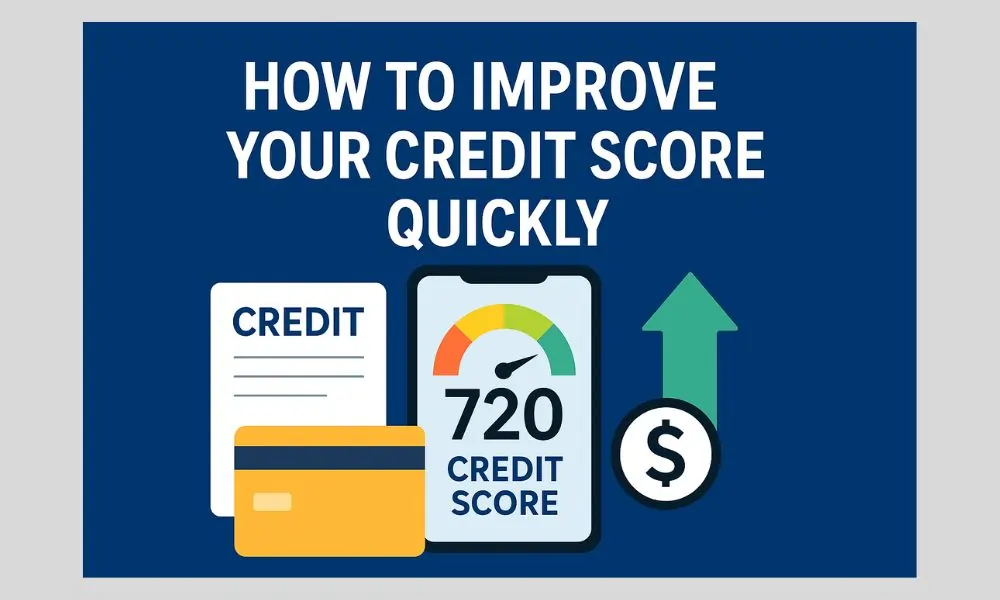
But here’s the good news—improving your credit score doesn’t have to take years. With the right steps, you can begin seeing changes in a few months, and sometimes even faster. Let’s walk through a practical, step-by-step guide to boost your credit score quickly.
Step 1: First Know Your Current Credit Score
You can’t improve your credit score unless you know where you currently stand. Luckily, every American is entitled to a free credit report once a year from the three major credit bureaus—Experian, Equifax, and TransUnion—through AnnualCreditReport.com.
Check your report for:
- Errors or inaccuracies (like an old loan that’s already paid off but still showing as active).
- Negative marks (late payments, collections, or high balances).
- Your credit utilization ratio (the percentage of available credit you’re using).
Correcting errors alone can sometimes raise your score by dozens of points.
Step 2: Pay down Credit Card Balances
Credit utilization is one of the biggest factors in your score—making up about 30% of the calculation. If you’re using more than 30% of your available credit, your score will likely take a hit.
Quick actions you can take:
- Pay off small balances first to free up credit limits.
- If you have savings, consider using a portion to pay down high-interest cards.
- Avoid maxing out any single card, even if your overall utilization looks fine.
Pro Tip: Sometimes requesting a credit limit increase can instantly lower your utilization ratio—just be sure not to increase your spending.
Step 3: Always Pay Amount on Time
Late payments can hurt your score more than anything else. In fact, payment history makes up 35% of your credit score. Even being a few days late can stay on your report for years.
To avoid this:
- Set up automatic payments for at least the minimum amount due.
- Use reminders on your phone or calendar.
- If you miss a payment, contact your lender immediately—many will remove the late mark if you’ve generally been a good customer.
Step 4: Don’t Close Old Accounts Credit Cards
Your credit history length matters. The longer your credit history, the better. Closing old accounts might seem like a way to “clean up,” but it could actually reduce your score. Instead:
- Keep old accounts open, even if you don’t use them often.
- Use them occasionally for small purchases to keep them active.
Step 5: Always Consider a Secured Credit Card or Credit Builder Loan
If your credit is poor or you don’t have much history, you can rebuild credit with secured options:
- Secured credit card: You deposit cash as collateral, and your usage builds history.
- Credit builder loan: Offered by many community banks and credit unions, where you make fixed payments that get reported to credit bureaus.
These tools can help build positive credit history quickly.
Step 6: Avoid New Loans & Credit Unless Necessary
Every time you apply for new credit, a hard inquiry gets recorded. Too many inquiries in a short time can lower your score. If you’re shopping for a loan, try to do all applications within a 14-day window—it will usually count as a single inquiry.
Step 7: Be alert & Keep an Eye on Current Economic Trends
In 2025, U.S. consumers are feeling the pressure of higher interest rates, following the Federal Reserve’s cautious stance on inflation. Credit card APRs are at record highs—many above 20%. That means carrying a balance is more expensive than ever. Improving your credit score now could help you refinance at a lower rate when conditions ease, or qualify for better loan offers despite today’s environment.
Step 8: Timely Check Credit Score by Monitoring Tools
Free apps like Credit Karma or Experian Boost allow you to track your score, spot changes, and even report positive payments (like utilities and streaming subscriptions). This gives you more control and helps you stay motivated by seeing your progress.
Conclusion
Your credit score isn’t just a number—it’s a financial passport that can open or close doors. By checking your report, paying down balances, making on-time payments, and being strategic with your accounts, you can start improving your score in just a few months.
The U.S. economy may be challenging right now, but this is the perfect time to get your credit in order. A strong score means more options, lower interest rates, and a better shot at reaching your financial goals.
References
- AnnualCreditReport.com – Free Credit Report
- Consumer Financial Protection Bureau – Credit Reports and Scores
- Experian – How Credit Scores Work
- Federal Reserve – Current Economic Conditions
- Related Topics – Must Read
- Best Investment Options in 2025 for Beginners in USA
FAQs – How to improve your Credit Score
Q1: How quickly can I improve my credit score?
Most people see small improvements in 1–3 months with consistent effort, but significant gains can take 6–12 months.
Q2: Does checking my own credit score hurt it?
No. Checking your credit with free tools or through your bank is considered a soft inquiry and does not affect your score.
Q3: Should I pay off all my credit cards at once?
If you can afford it, yes. But even paying down balances to under 30% utilization on each card can quickly raise your score.
Q4: Will closing unused credit cards help my score?
No. Closing accounts usually lowers your credit history length and available credit, which can hurt your score.
Q5: What’s the fastest way to add points to my credit score?
Correcting errors on your credit report and lowering credit card utilization are often the fastest ways.